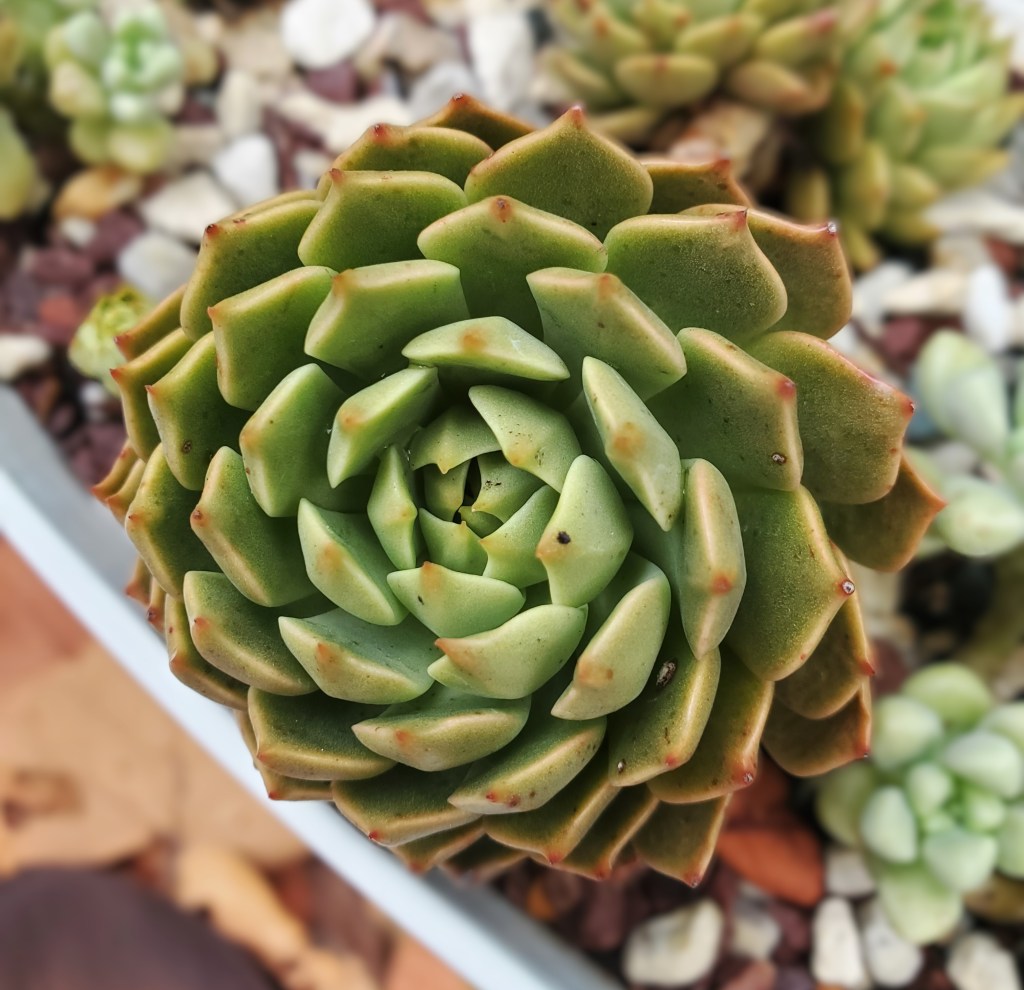
Hey there, succulent enthusiasts! Today, we’re diving into the fascinating world of Echeverias. If you’re anything like me, you’ve probably fallen head over heels for these charming rosette-shaped beauties. But if you’re new to the game or just curious about what makes Echeverias so special, you’ve come to the right place.
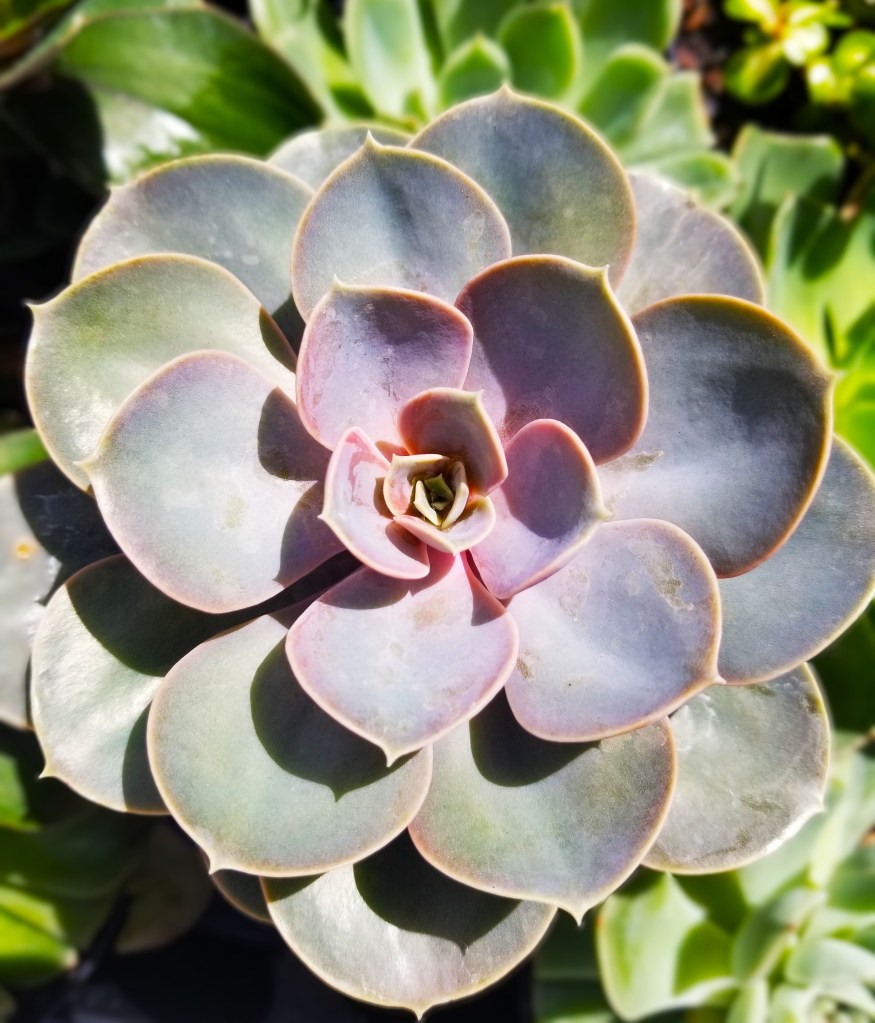
First things first, let’s talk about what makes Echeverias stand out in the succulent crowd. These guys are known for their stunning symmetrical rosettes, which come in a dazzling array of colors, from soft pastels to vibrant neons. Seriously, if you’re looking to add a pop of color to your succulent collection, Echeverias are where it’s at.
Tips and Tricks for Happy Echeverias
1. Sunlight: Echeverias generally prefer bright sunlight, but some species may tolerate more shade than others. Varieties with darker foliage may be more tolerant of lower light conditions compared to those with lighter-colored leaves. So make sure to give them plenty of bright, indirect light. A sunny windowsill or a spot on your patio should do the trick, if they don’t receive enough sunlight, they will etiolate.
2. Watering: Like most succulents, Echeverias prefer to be watered sparingly, but some species may have slightly different watering needs. For example, Echeveria Agavoides tends to tolerate more frequent watering compared to other varieties.. Let the soil dry out completely between waterings, and be sure to water from the bottom to avoid getting their leaves wet, if possible.
3. Soil: Echeverias like well-draining soil that won’t hold onto moisture for too long, especially in warmer climates. You can mix in some perlite or pumice to improve drainage and keep your plants happy.
4. Temperature: While most Echeverias prefer warmer temperatures, some varieties may have different temperature tolerances. Some may be more sensitive to cold temperatures and require protection or brought indoors during if temperature drops below 45F.
5. Propagation: While most Echeverias can be propagated easily from leaf or stem cuttings, some varieties may root more readily or produce offsets more prolifically than others. For leaf propagation, just snip off a healthy leaf, let it callus over for a few days, and then lay it on top of some soil. Before you know it, you’ll have a whole army of baby Echeverias!
6. Growth Habit: The growth habit of Echeverias can vary, with some species growing more compactly while others may sprawl or produce offsets more readily. This can affect their care requirements, such as pruning or repotting needs.
In Conclusion
Regardless of where you are in your gardening journey, these plants are sure to steal your heart (and maybe a little bit of your wallet too — trust me, it’s worth it).
While Echeverias share some general care requirements, such as their preference for bright sunlight and well-draining soil, there can be variations in their specific needs depending on the species or variety, so make sure to look into each one to provide them with the best care possible. Observing your plants and adjusting care practices based on their individual needs can help them thrive.
-> The best seed: Have I not commanded you? Be strong and courageous. Do not be afraid; do not be discouraged, for the Lord your God will be with you wherever you go.” Joshua 1:9


 Leaves and Verses
Leave a reply to Lidia Dias Cancel reply